Problems with 8008 serial routines that posted

Just a heads up – the serial transmit routines that I have posted with the 8008 applications have serious issues. Though it was working for me, other were using serial ports that weren’t so forgiving and had problems with transmit. Finally Corey Cohen tracked down problems with start and stops bits used with the transmited data. As soon as I get a chance to check out the fixed routines, I’ll be updating all the applications on my 8008 application and BASIC pages. For those of you that can’t wait here is the code for a version that I think will probably work. This version is timed for 2400 baud.

My OS/X emulator was also broken and needs an update, as well.

OUTCHAR:

NDI 177 ; mask MSbit
CAL BITOUT ; STARTBIT
CAL BITOUT ; LSB
CAL BITOUT ; 1
CAL BITOUT ; 2
CAL BITOUT ; 3
CAL BITOUT ; 4
CAL BITOUT ; 5
CAL BITOUT ; 6
CAL BITOUT ; MSB
LDA ; timing delay
LAI 200
OUT OUTPORT ; stop bit
LDI 100 ; and extra for inter character spacing
JMP MORE2

BITOUT:
OUT OUTPORT
RRC ; shift to get next bit
LDI 3
MORE2:
LAA ; nop to delay 5 states to make timing work
DCD
JFZ MORE2
LDI 0 ; delay 8 states
RET

Reproduction SWYFT CARDs Arrived

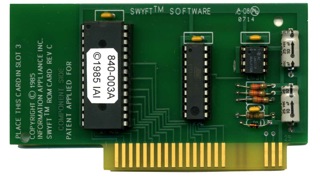
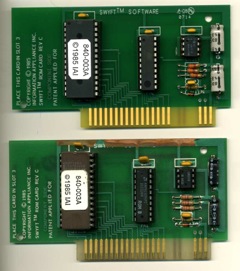
I just got my reproduction SWYFT CARDs in and they look and work great.

Reproduction SWYFT CARD

Reproduction SWYFT CARD

I’ll be releasing them at VCF east in a few weeks. I’ll also be doing a soldering workshop in which you will be able to build one, even if you are a novice at soldering.

Reproduction and Original SWYFT CARDs

Reproduction and Original SWYFT CARDs

The SWYFT CARD was used as a prototype/proof of principal implementation by Jeff Raskin’s company, after he left Apple after the falling out with Steve Jobs. Later they came out with the SWYFT Computer and the Canon Cat.

Check out the VCF website for details on VCF east 9.1
http://www.vintage.org

regards,
Mike W.

Kit and PCB status update and a question

  • Coming for VCF east – SWYFT card reproduction kits – special introductory price if you join my SWYFT Card soldering Workshop – $40, drop me an email to register. Part of the proceeds goes to help support MARCH. After VCF east, price goes to $50.
  • Mimeo’s – out of stock – expect to have new batch around end of February
  • Datanetics PCBs – 1 left – rerun timing TBD
  • Brain Boards – 9 left – Note that I’m going to try move the remaining Brain Board kits over the next few months. I might even list them on ebay, to clear them out. If you want one, time to get it, is now. A rerun is not likely to be in the “cards”. I have a vague idea for an enhanced firmware board that may or may not get traction someday in the future.
  • SUPERPROTO kits – 8 left – rerun TBD – these are slow sellers and I haven’t actually made any money on these. However, I find them useful for my own purposes, so I might do another run (someday).
  • ACI kits – plentiful (currently I’m running low on PROMs, but expect I’ll be able to find another batch without too much trouble)
  • PS/2 keyboard adapter kits – plentiful
  • A2 rev 0 – ample supply
  • SCELBI 8H – I have less than 10 8H board sets remaining. I’ll make extra SRAM PCBs, when needed. Front Panels are in limited supply (less than 15, I think). TTY boards are plentiful
  • Now for the question – should I call my Apple II rev 0 reproductions Mimeo IIs, even though they came first?

    Apple II Hedlock Fastener Repair

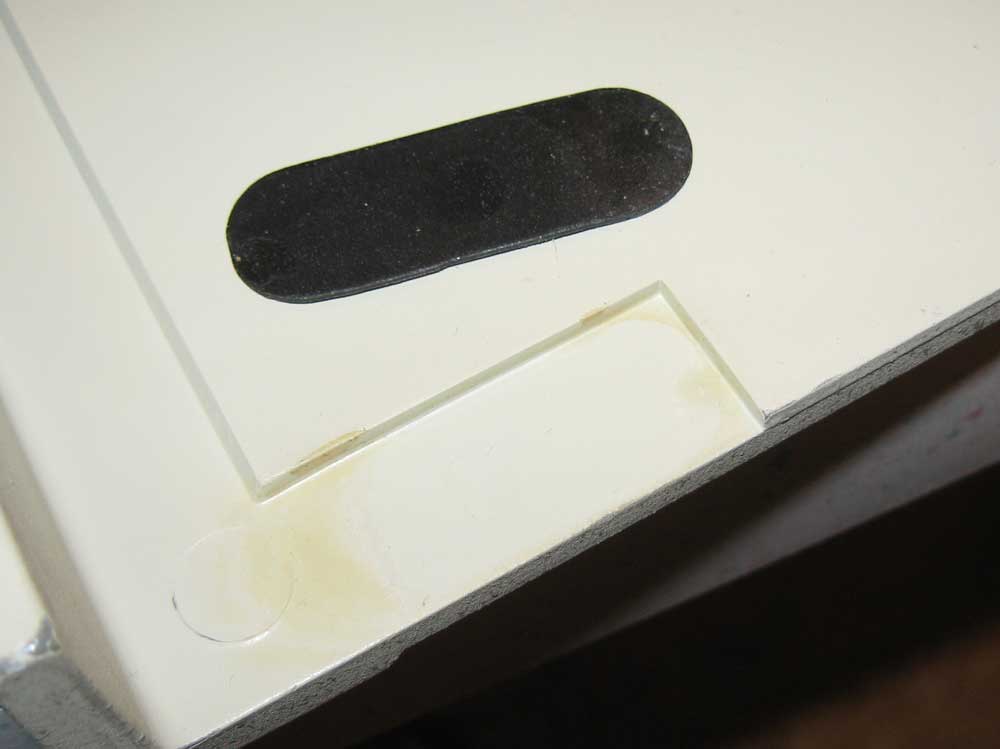
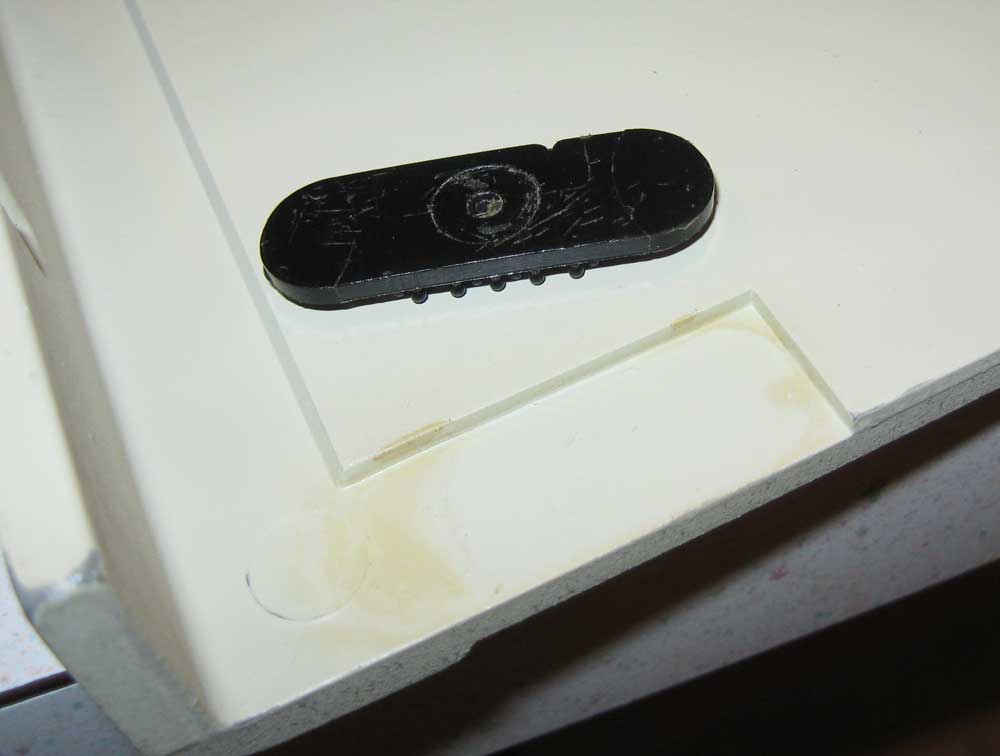
    The “Hedlock” connector on an Apple II is the fastener that holds the lid of the case to the case. It is similar to a 3M Dual Lock reclosable fastener. On the Apple II, it is attached to the enclosure and lid with double sided tape. Over time, the adhesive loses it’s effectiveness and the Hedlock connector comes loose from either the lid or the base of the computer’s enclosure.

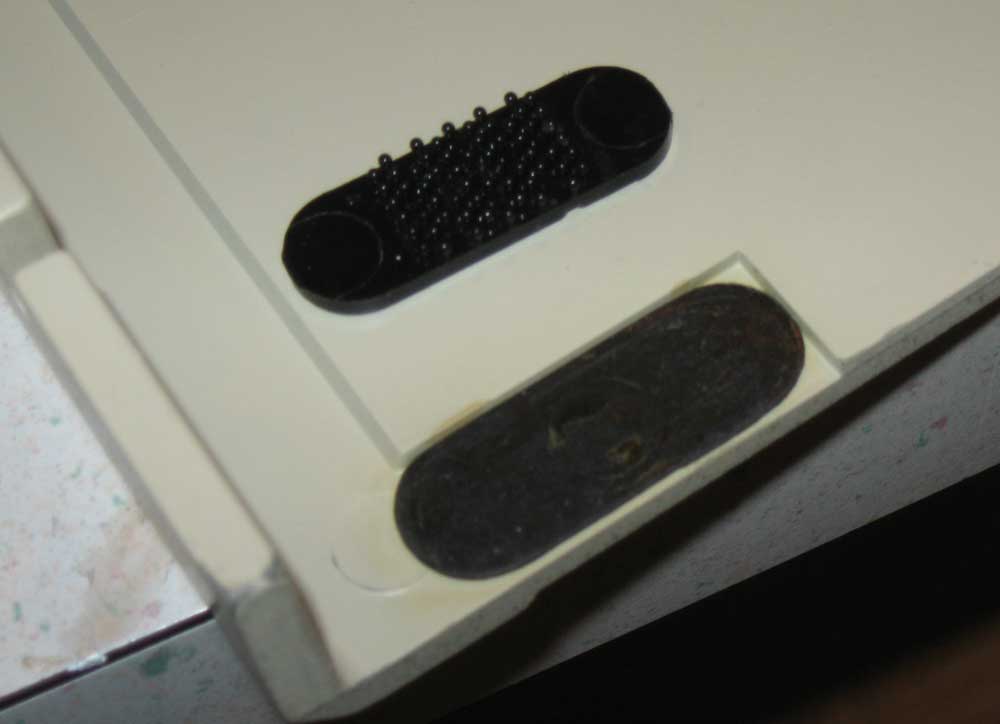
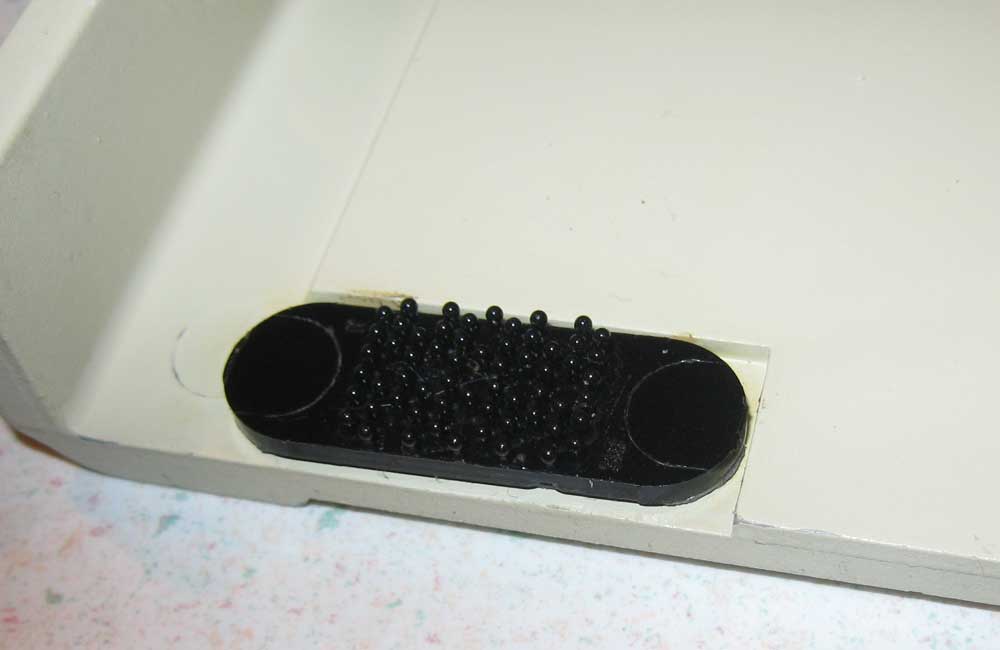
    Here is an example where the tape stayed with lid, but the fastener came loose.
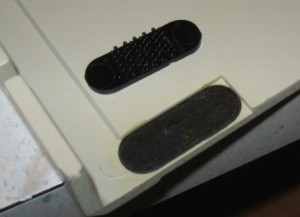
    Delaminated Hedlock Fastener

    Delaminated Hedlock Fastener

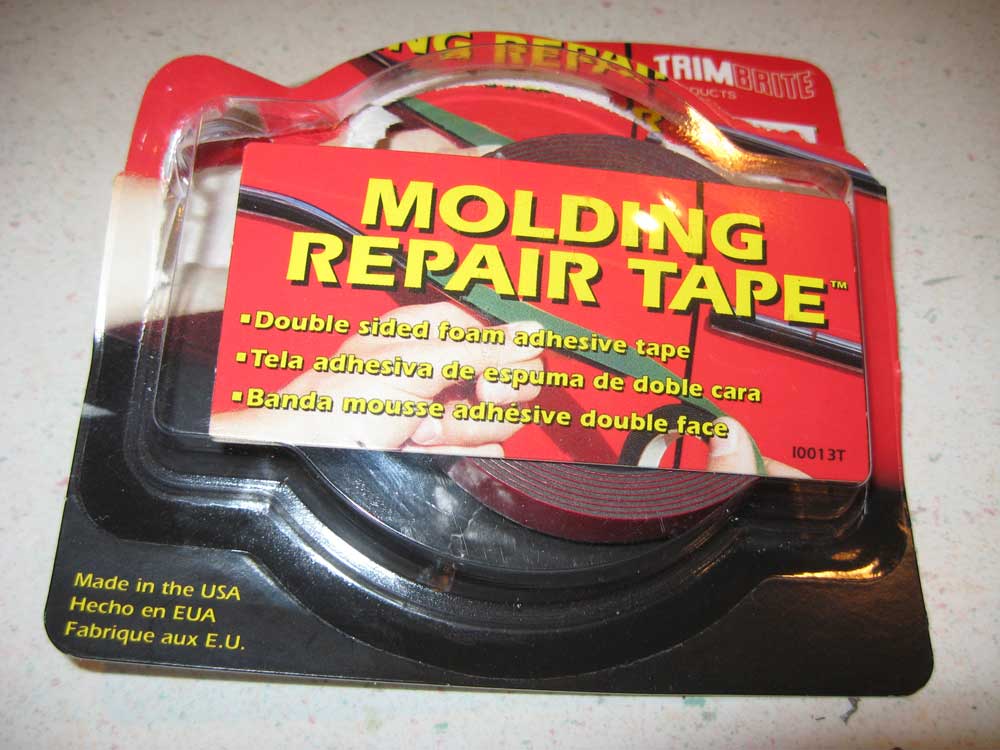
    I used to use contact cement to reattach the fastener to the tape, but I found over time that the contact cement is less than an ideal solution. I think I found a better solution using the tape found in auto part stores that is intended to reattach loose trim pieces. This 1/2″ wide double sided tape has an extremely strong, long lasting adhesive on both sides, so I expect this solution to be an improvement over the contact cement approach.
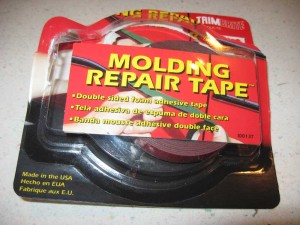
    hedlock-newtape

    Before attaching this new tape, you should remove the old tape and adhesive. This is, by far, the most difficult part of this job.

    In this example the old tape, which was attached to the lid, simply pealed off.
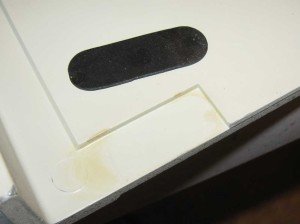
    Old Tape Removed From Top

    Old Tape Removed From Top

    The adhesive remaining on the Hedlock fastener was another matter. The bond is very strong, and in this case I eventually resorted to using a X-acto knife with a chisel blade to remove it. I left a few nicks in the surface, but since this is covered up with the new tape, I figured it wasn’t the end of the world. In a previous case, I managed to do it by rubbing with my thumb, but I ended up with a large blister on my thumb. I was temped to try a solvent like Goo Gone, but didn’t want to risk damaging the fastener. Here is the back of the fastener with the adhesive removed.
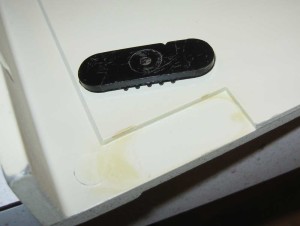
    Old Glue Removed From Hedlock Fastener

    Old Glue Removed From Hedlock Fastener

    Before reattaching the fastener, I cleaned up this area of the lid with Isopropyl Alcohol.

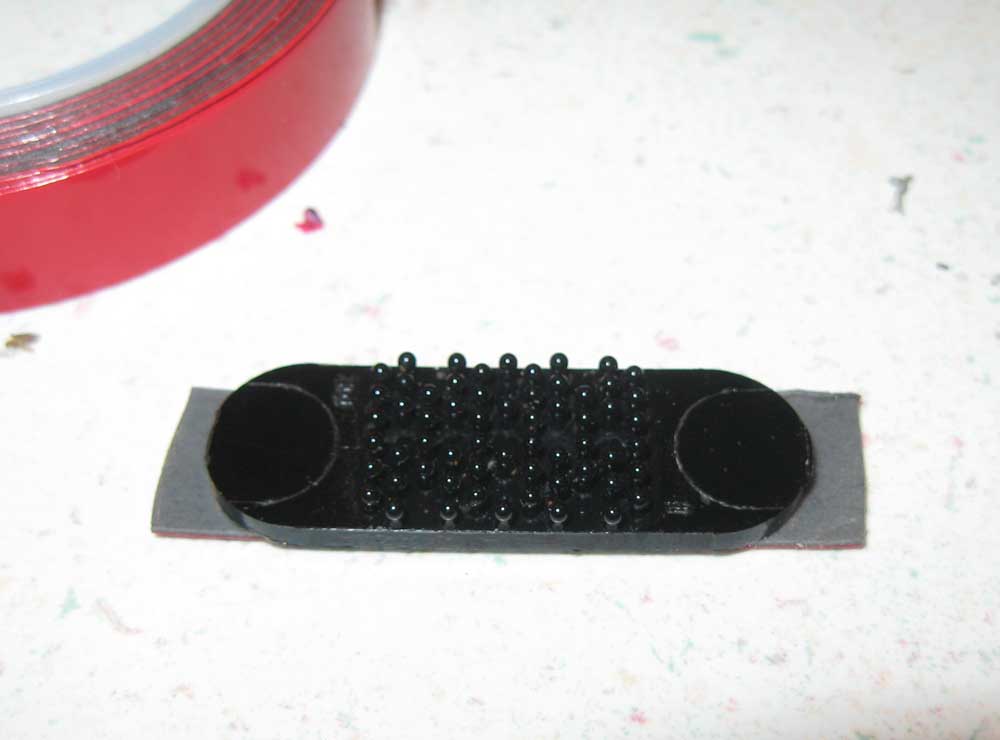
    Next I pealed back a strip of the new tape and stuck it to the fastener and cut the tape off from the roll.
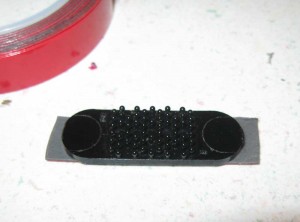
    New Tape Applied to Hedlock Fastener

    New Tape Applied to Hedlock Fastener

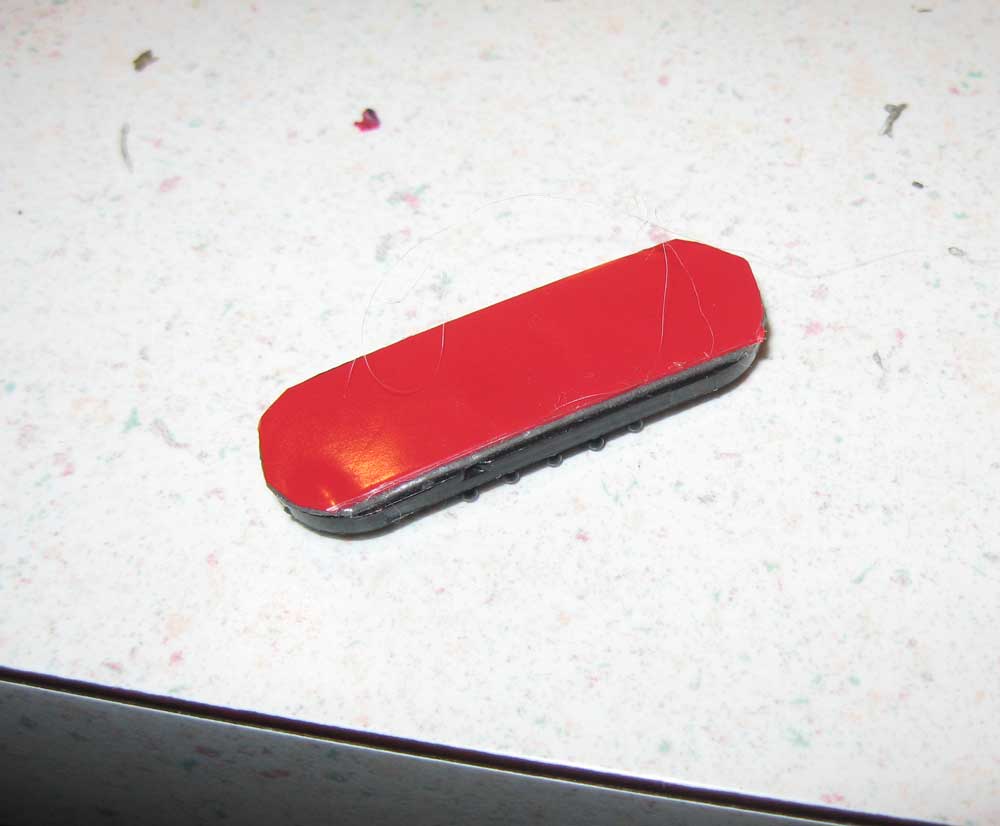
    Then I took a sharp scissors and trimmed the ends of the tape to match the curve of the ends of the fastener.
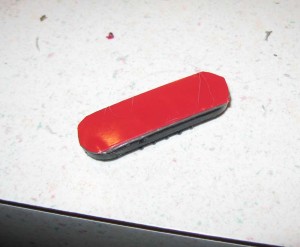
    New Tape Applied to Fastener and Trimmed

    New Tape Applied to Fastener and Trimmed

    The last steps are to remove protective backing from the adhesive tape and carefully press the fastener back in place.
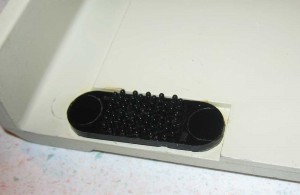
    Hedlock Replaced

    Hedlock Replaced

    I don’t know if it makes a difference, but I would wait a day before putting any stress on the reattached fastener.

    Reproduction Apple II rev 0 update

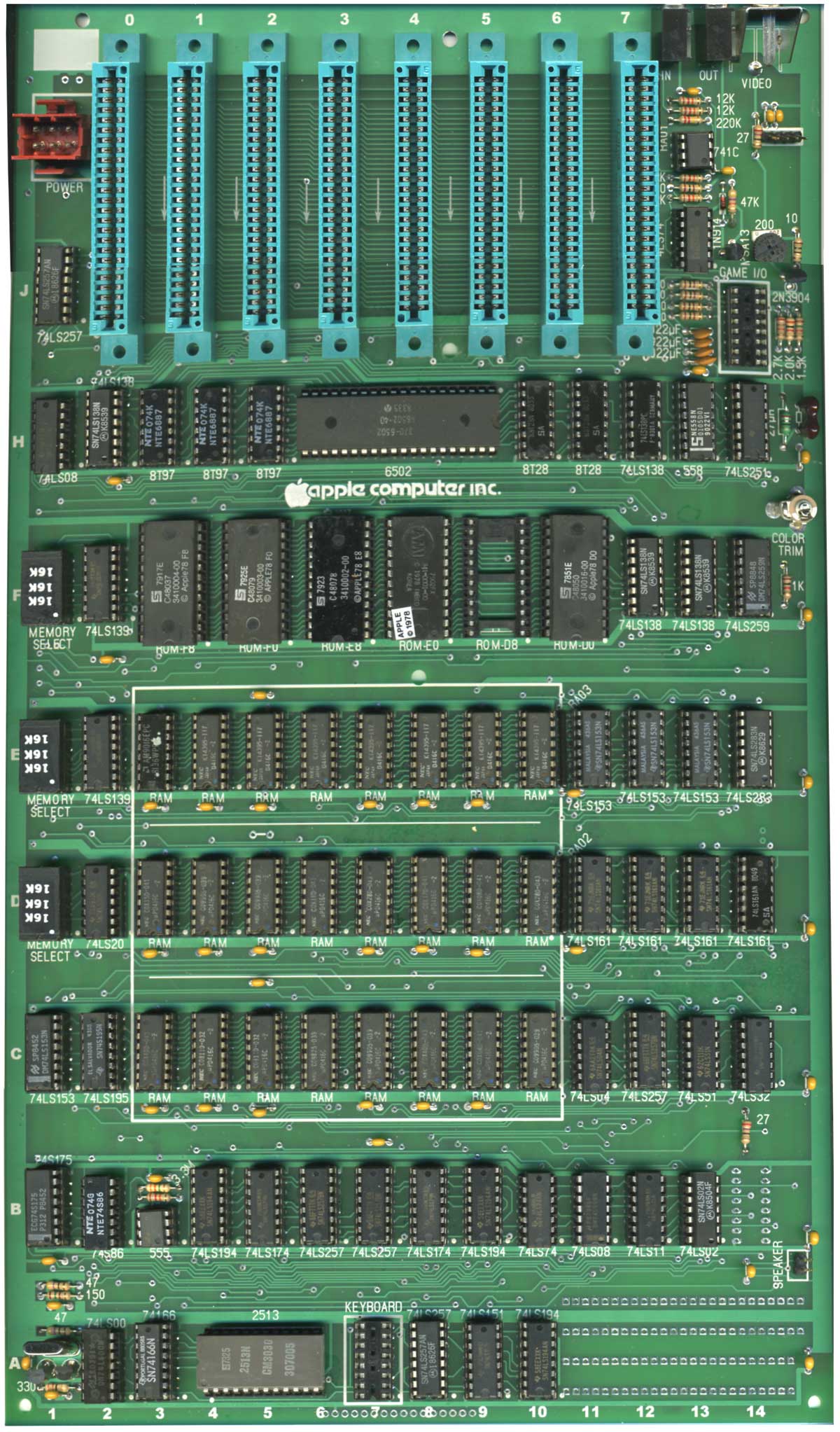
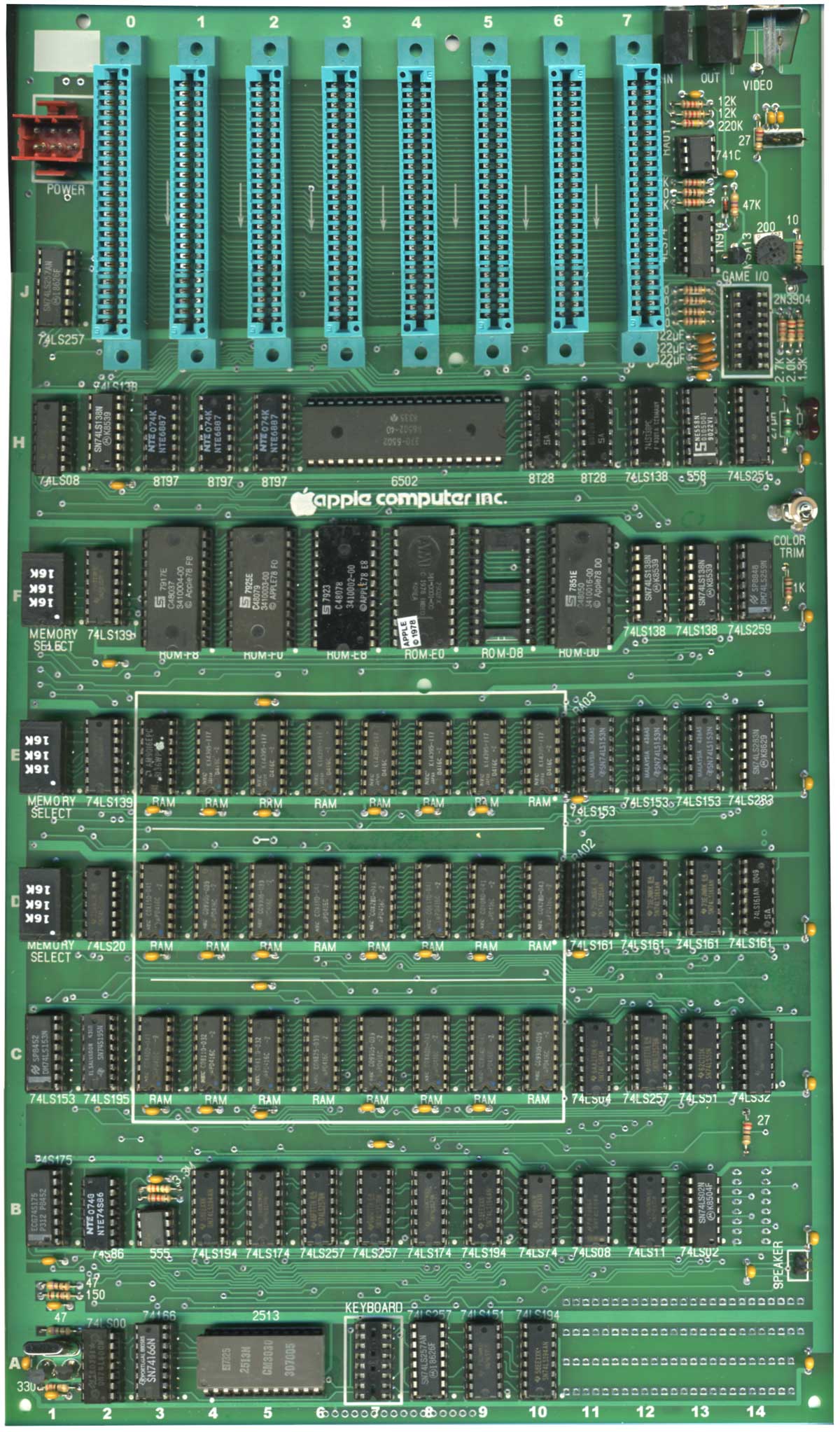
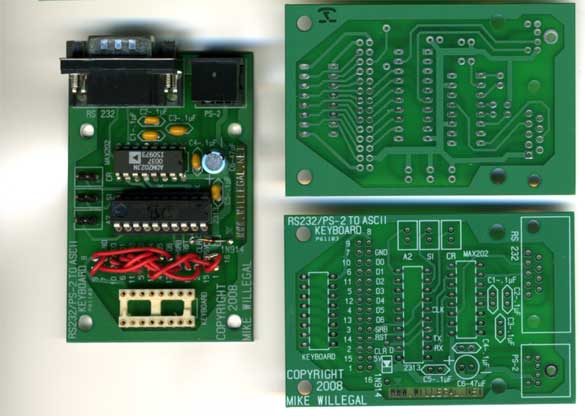
    Here is an image of my completed prototype.

    2014 edition A2 rev 0

    2014 edition A2 rev 0

    The image can also be found on my website.
    http://www.willegal.net/appleii/images/2014rev0.jpg

    This has taken much longer than expected, but I’ve got a few good decal sets ready and will start taking money, with shipments beginning no later than 1/27, with the first units likely to ship on 1/20.

    The build manual can be found here.

    Parts list can be found here.

    Cost of bare PCB is $150 plus $20 shipping. In order to make a functional board, you will need to provide components, keyboard (my PS/2 keyboard adapter works with Apple IIs), power supply (from Apple II plus), and ROMS (see my ROM page). I’ve heard from Rob at Unicorn and he might be putting together component kits (no ROMs).

    If you are not into building kits, but you are a Apple II fan, keep in mind that a framed bare PCB would look great in your den.

    Send an email to:mike@willegal.net if you need more details about ordering.

    Interesting Apple Design Video on utube and Macintosh 30th aniversary event

    One of the mailing lists that I am on, had a thread that included a link to this old video featuring talks by key members of the Apple Industrial Design team

    http://www.youtube.com/watch?v=–7Br07QKMk

    Something caught my ear while listening to the talk. It was Jerry Manocks view of how an early design decision indirectly caused the well known reliability issues with the Apple III. This is toward the end of Jerry’s talk – about 30 minutes into the session.

    Daniel Kottke has a very interesting talk about the early days of Apple, including a detailed discussion of the reliability problem with the Apple III. I sent Daniel a link to this video, because Jerry’s view provides a cause and effect scenario that isn’t part of Daniel’s talk.

    In return, Daniel mentioned that he was busy preparing for a Macintosh 30th aniversary event, something that I hadn’t heard of before. Looks interesting, so if you are in the area, you might want to check it out.

    http://www.mac30th.com